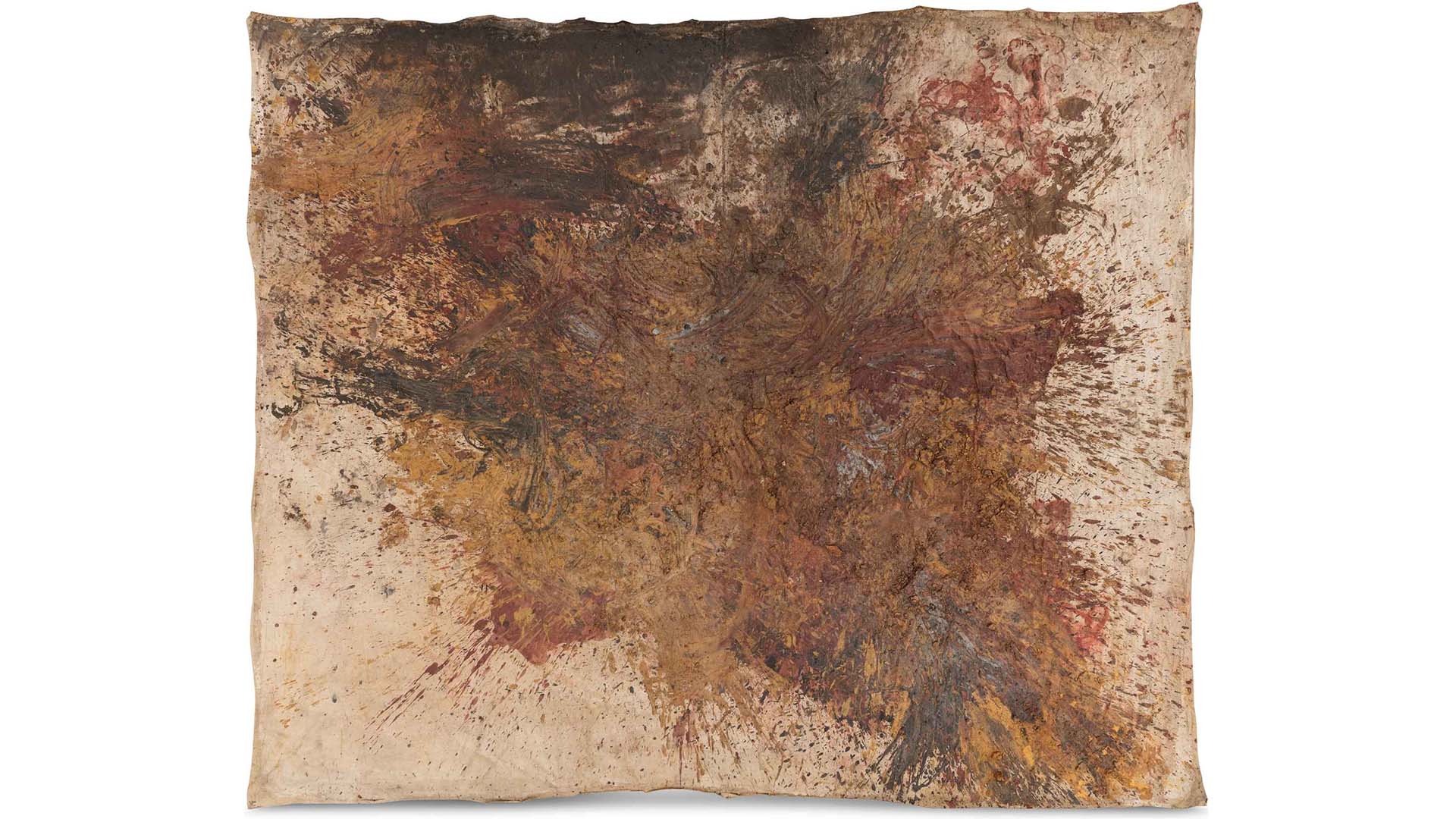
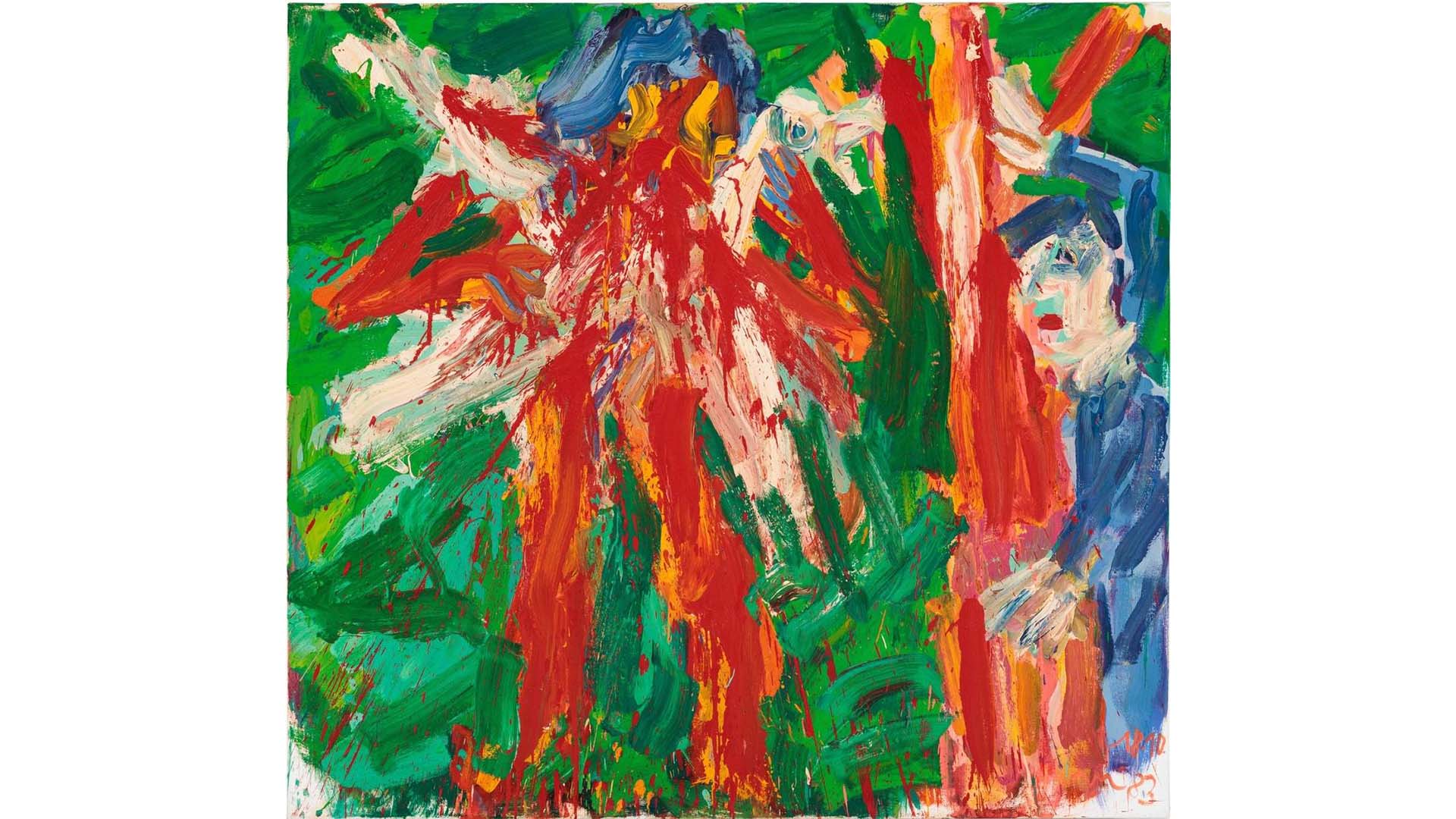
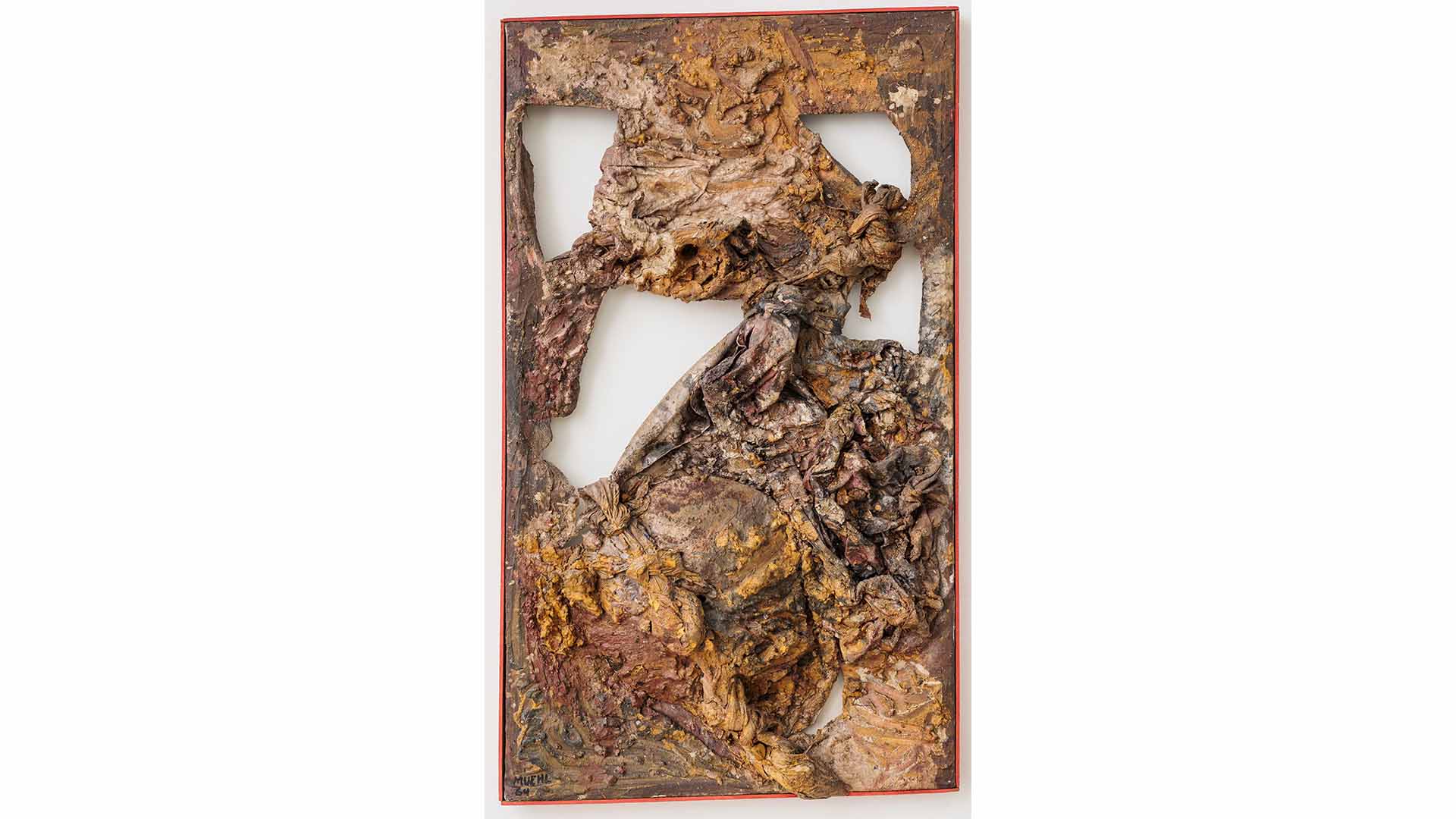
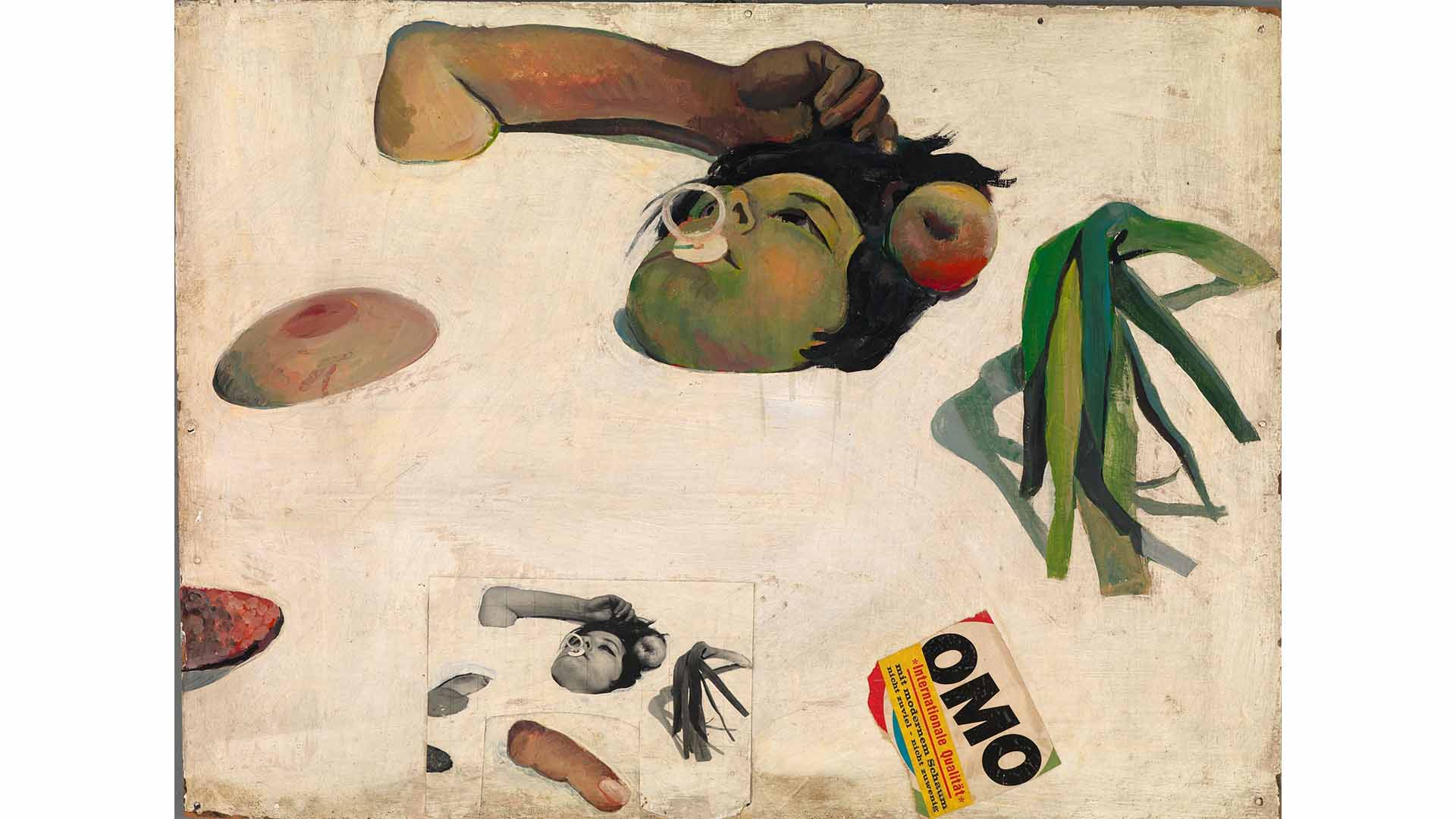
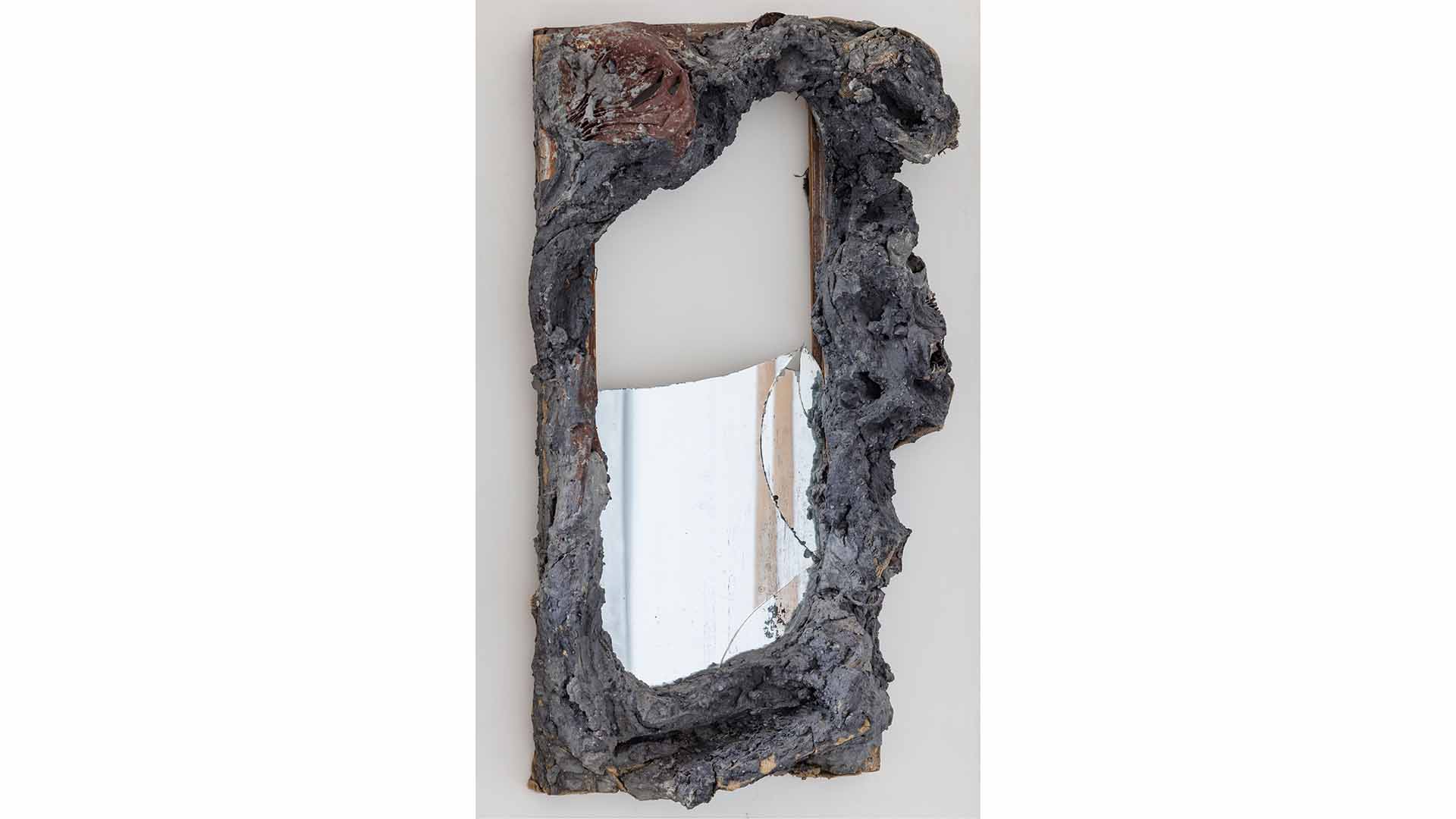
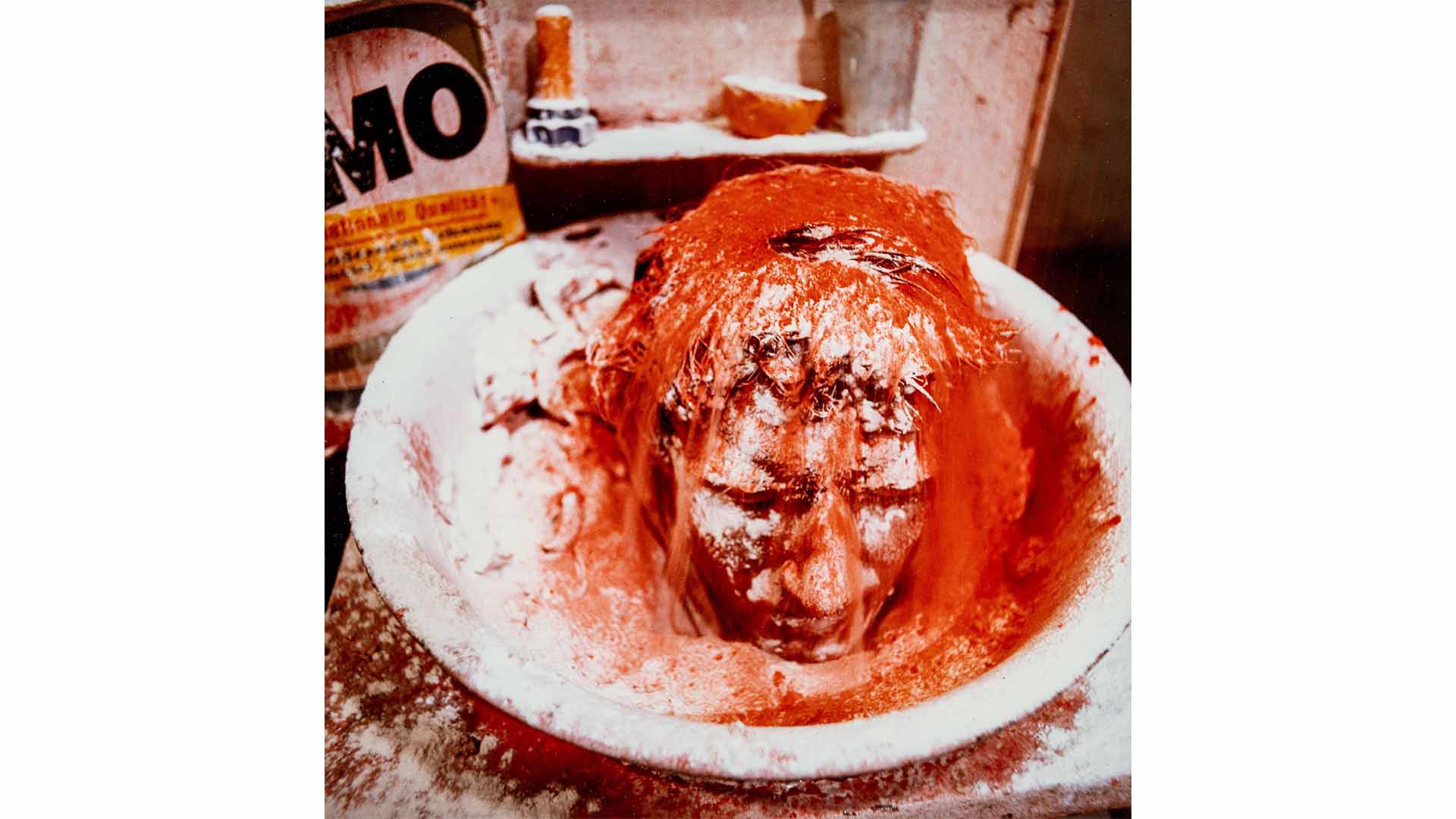
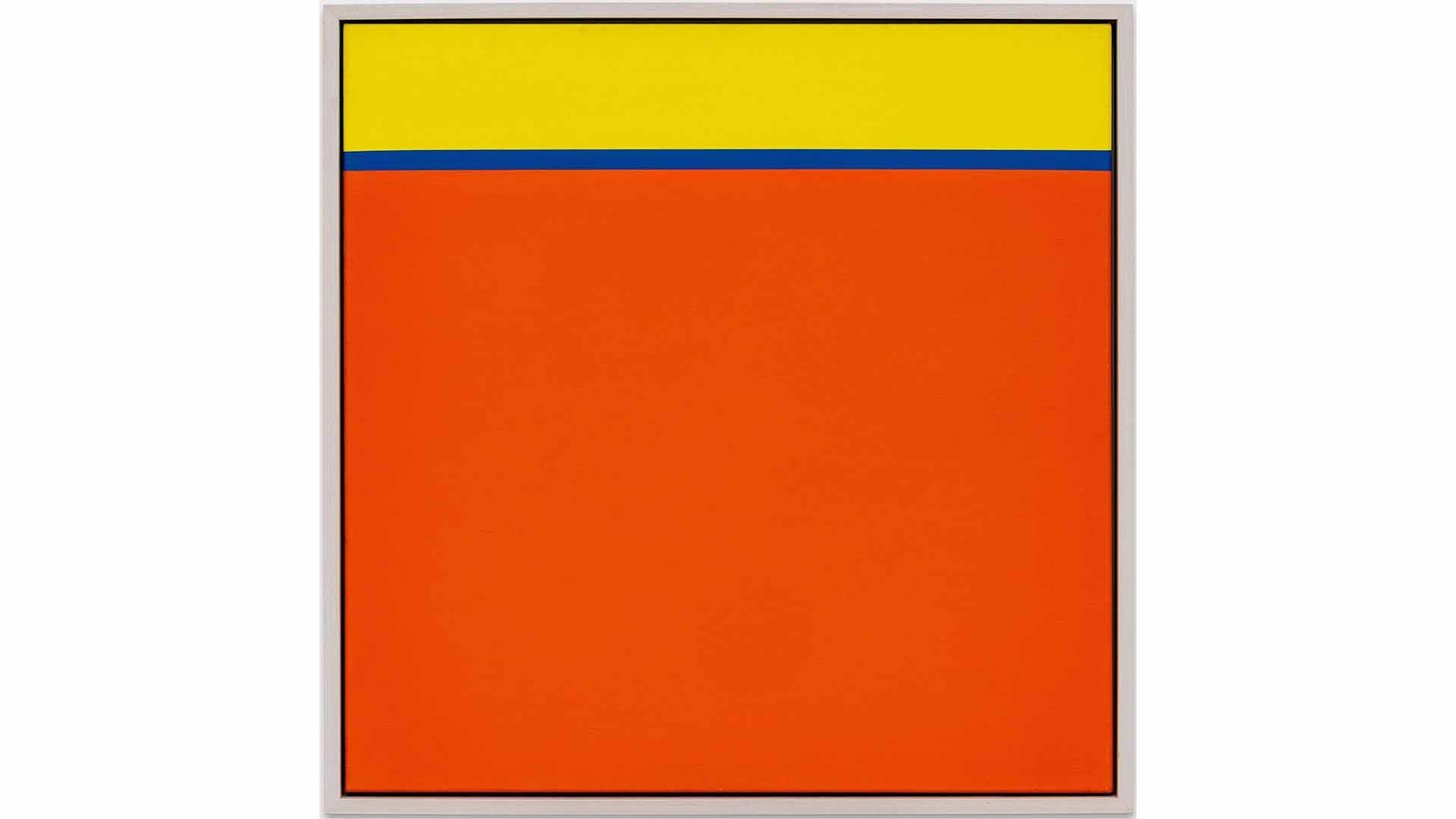
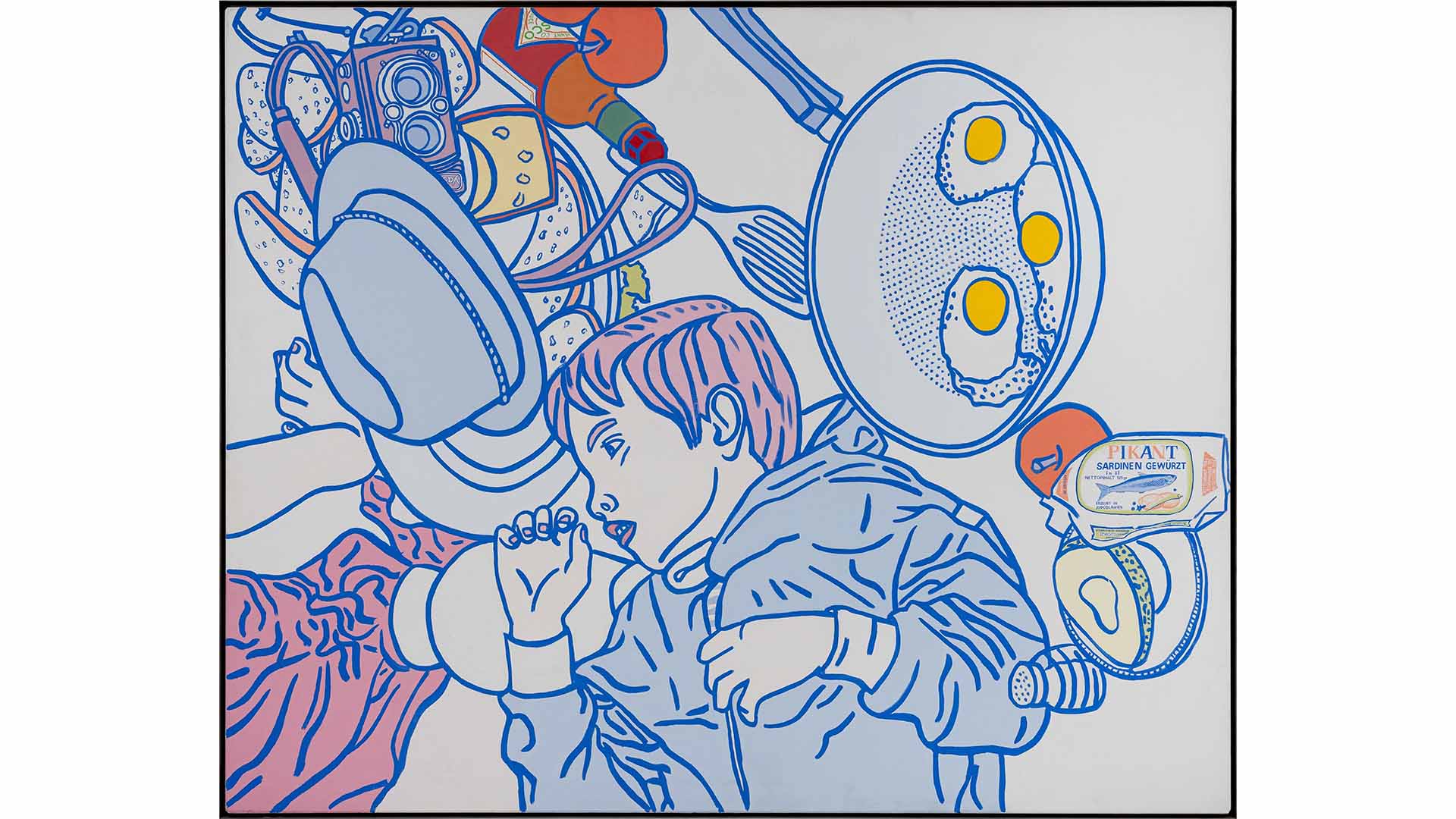
From September 10, 2026 until January 10, 2027 the WIENER AKTIONISMUS MUSEUM embarks on a challenging project: an exhibition of Otto Muehl’s artistic work. The exhibition features around 150 works – paintings, objects, prints – as well as two films.
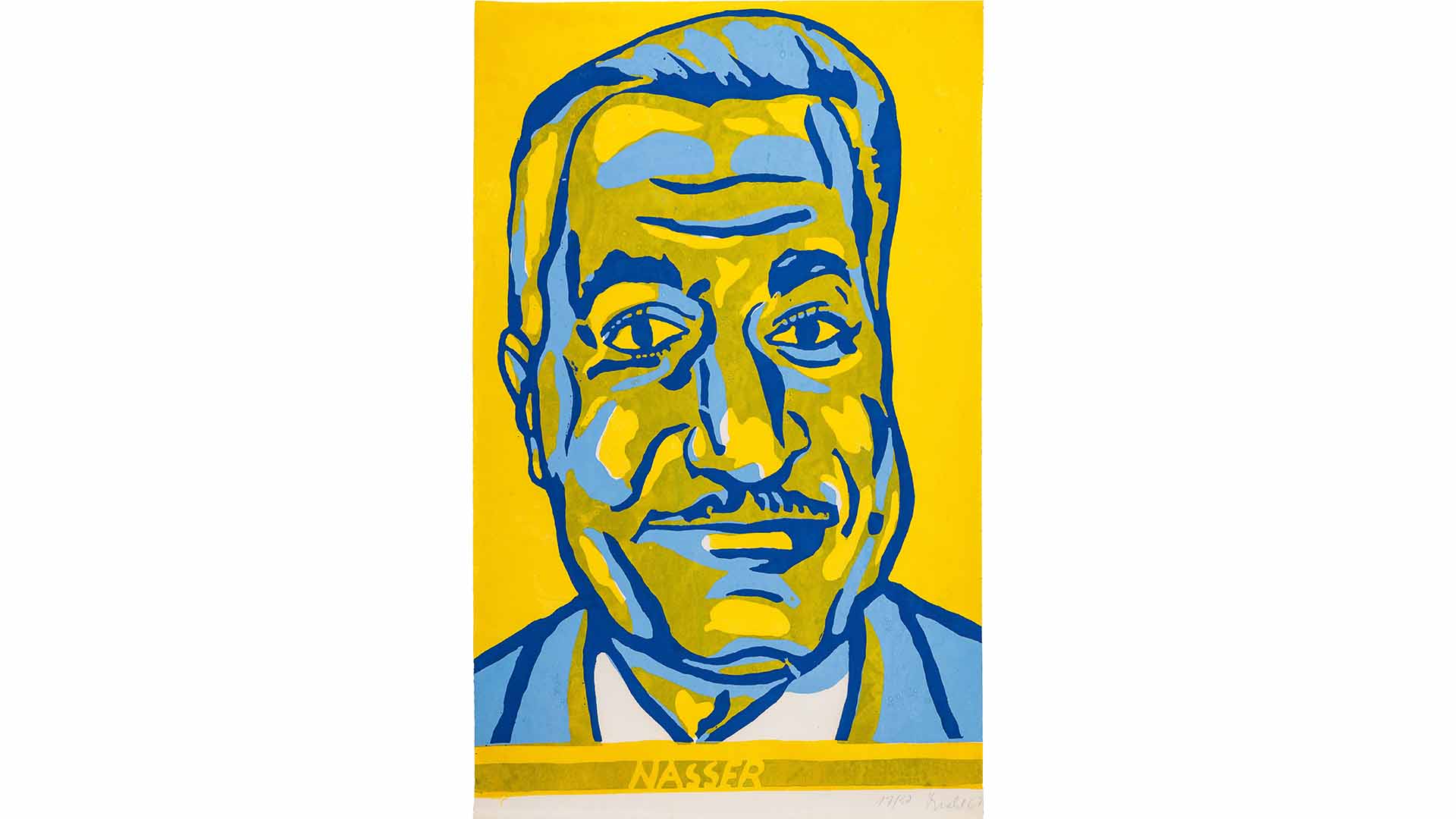
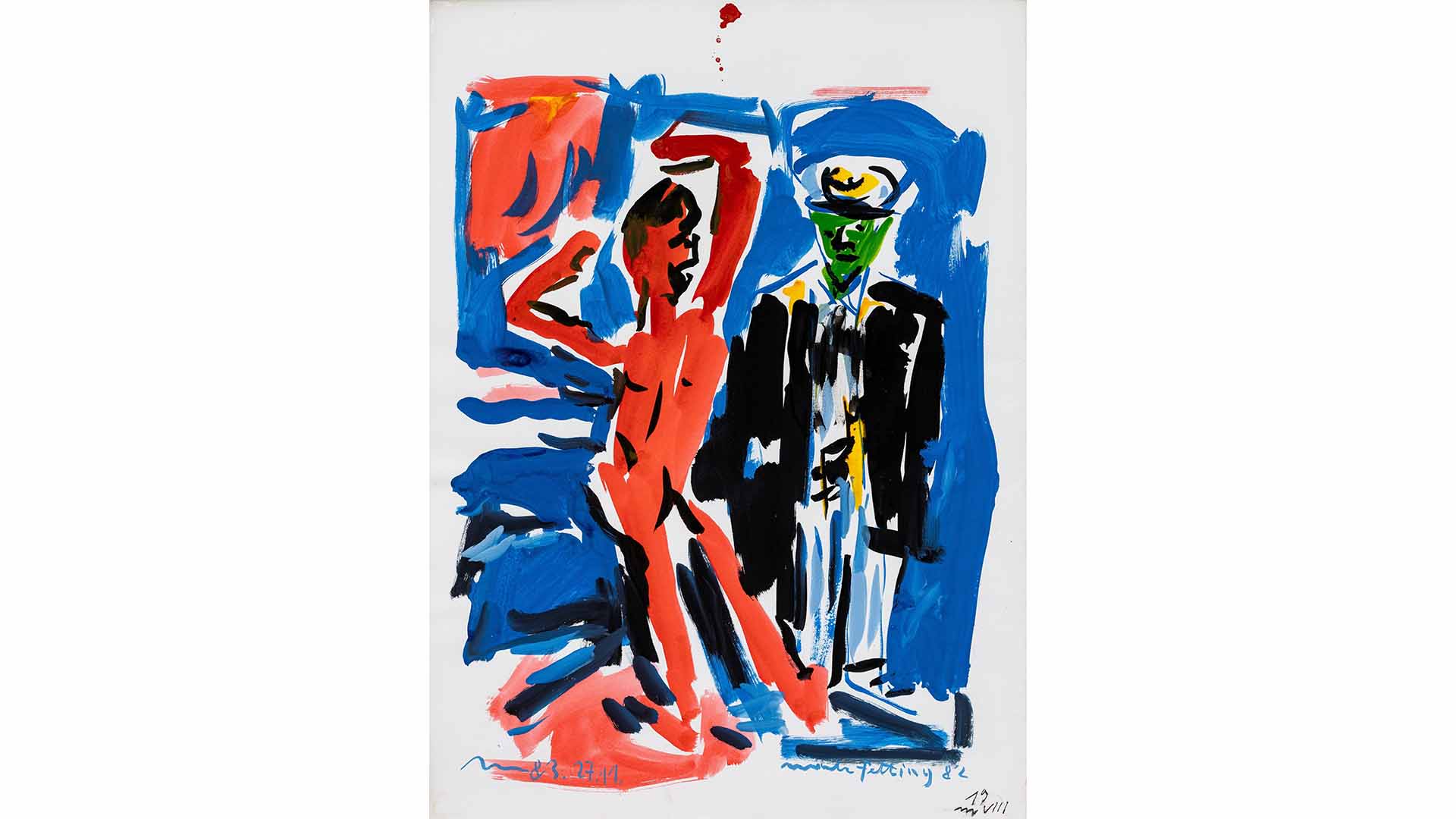
The exhibition traces Muehl’s artistic development—from the early 1960s up to his arrest and conviction in 1990—through six chapters. Beginning with Actionist painting and the destruction of the panel painting, through selected actions from the heyday of Viennese Actionism, to the extensive series of portraits of politicians—from Ho Chi Minh and Konrad Adenauer, via Charles de Gaulle and Moshe Dayan, to Mao Zedong and Prince Charles—, Muehl’s creative years prior to the commune form the first and most extensive part of the exhibition.
A separate section is devoted to the founding of the commune, its development at Friedrichshof, its socio-cultural and socio-theoretical contexts, and its failure following Otto Muehl’s conviction for the sexual abuse of minors.
Otto Muehl. Art and contradiction
To exhibit the art of Otto Muehl means to offer an Austrian perspective on international art history. As a co-founder of Vienna Actionism, Muehl taps into central trends of his time—from Abstract Expressionism and Informal Painting through material art to the expansion of the concept of art into action and performance. He radicalizes these impulses and develops from them an art that is as distinctive as it is unsettling.
Muehl is also one of the most controversial figures in Austrian postwar history. Hiswork has influenced artists far beyond Austria’s borders and anticipated key developments in performance and body art. However, as the founder and leader of the Friedrichshof Commune, he also traumatized people and abused his power. In 1991, Muehl was rightfully charged and sentenced to seven years in prison for sexual abuse of minors and other offenses.
An exhibition of his work must neither allow the significance of his art to be overshadowed by his crimes nor relativize the crimes by the significance of his art. For this reason, the selection of works was made with particular care. The exhibition presents Muehl’s works as works of art—not as illustrations of his biography, not as documents of the commune, and not as evidence of his crimes. Works that depict victims of his sexual abuse and could today lead to further trauma for the victims were deliberately not included.
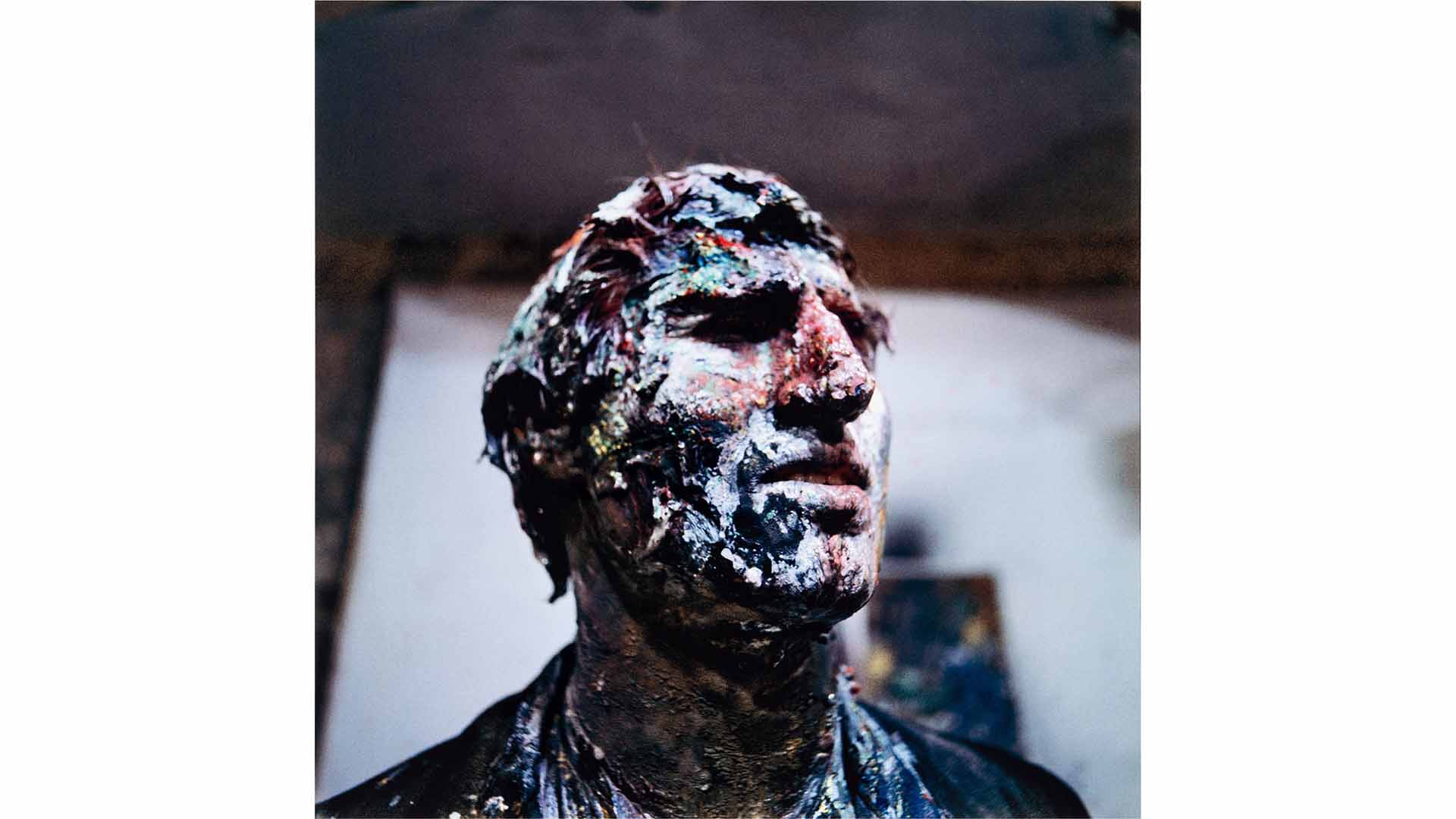
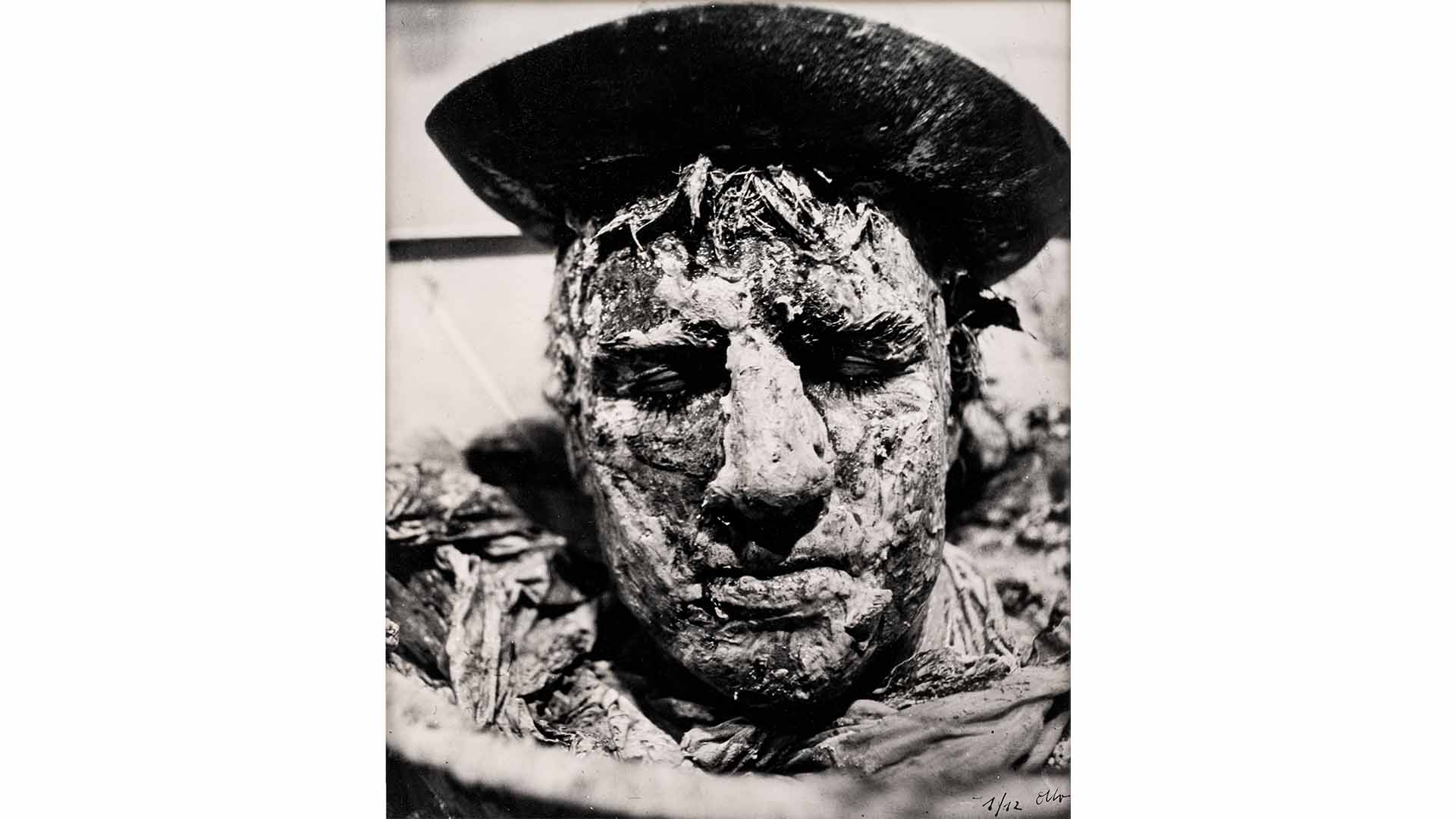
Unlike earlier retrospectives, this exhibition focuses on a few key groups of works. The history of the commune is not ignored but is distinguished from the art-historical analysis. The focus is first and foremost on Muehls art of the 1960s. His path leads from Actionist painting through material paintings and the destruction of the traditional panel painting to sculptures made of rubble and debris. Muehl turns the acts of tearing, spilling, deforming, and destroying into artistic processes. They echo a generational experience: the material and moral devastation of Europe caused by war and National Socialism.
His works also revolve around a deeply pessimistic view of humanity. Beneath the thin veneer of civilization lie suppressed instincts, aggressions, sexual desires, cruelty, and destructive rage. In Muehl’s work, human beings appear defiled, sullied, stripped of their dignity and their social mask. His art thus becomes an expression of a pessimistic anthropology of the 20th century. This pessimistic stance towards human co-habitation creates a stark contradiction to Muehl’s later aspirations associated with the commune in the 1970s: of all people, the artist whose work reveals so little trust in humanity believes in the possibility of bringing forth new human beings through a radically transformed way of communal life. However, this communal utopia of liberation increasingly gives way to a hierarchical system with Muehl himself at its center. The utopia turns into domination and abuse of power.
Perhaps this is one of the key insights of this exhibition: Muehl’s early art is more complex, more contradictory, and ultimately more perceptive than his later social utopia. While the latter fails in its claim to be able to change people, his art reveals the contradictions inherent in human nature.
The freedom of research and the protection of those affected
“This exhibition comes with a special responsibility for the museum. In dealing with Otto Muehl, two equally valid concerns come into conflict: the protection of those affected as well as their personal rights and the freedom of art, scholarship, and historical research. One must not be pitted against the other.
For this reason, the exhibition does not feature any works in which victims are recognizable. At the same time, works of art, historical documents, and archival materials that have been published for decades must, as a matter of principle, remain open to scholarly research and museum-based examination. In doing so, it is also important to defend the autonomy of art: A work of art is not limited to the biography or the moral judgment of its creator but possesses its own aesthetic and historical reality. If such material is also denied access and presentation, even though it neither depicts those affected nor violates their personal rights—the freedom of research comes under pressure. A democratic society must guarantee both: the protection of the individual and the opportunity to examine and bring to light even the disturbing, contradictory, and morally fraught chapters of its history. Remembrance requires consideration—but it also requires learning from the past.”
Prof. Dr. Klaus Albrecht Schröder, Director of the WIENER AKTIONISMUS MUSEUM
A catalogue will accompany the exhibition and will be published in November 2026. An educational programme is also being planned; further details will be announced in due course.